DataCops vs ClickGUARD
ClickGUARD is a Google-Ads-first rule scalpel. DataCops is a first-party data pipeline that filters bots at ingestion and ships clean conversion signal to Meta, Google, TikTok and LinkedIn.
Most people searching for a ClickGUARD alternative are not unhappy with ClickGUARD. They are unhappy with what blocking clicks did not fix. They cleaned the click layer, watched the spend-waste number drop, and then noticed their ROAS in Meta Ads Manager still drifting the wrong way. Blocking a click does not undo the conversion signal that bot already trained your ad platform on.
Start FreeBlocking bots is table stakes. What happens after is what matters.
DataCops detects, blocks, and feeds clean signals back to your ad platforms - in one layer, not three separate tools.

One platform that captures, verifies, and activates - instead of patching three tools together.
The click layer is one floor of a five-floor problem.
A blocked click is not a deleted event. ClickGUARD stops a fraudulent click from being charged. But that visit may already have fired your analytics, and the ad platform may already have ingested a signal that says this kind of visitor showed interest. The click was blocked. The pattern was not.
What the gap actually looks like
A bot clicks your Google ad. ClickGUARD flags it and adds the IP to your exclusion list. Spend protected. But that bot still landed on your site. If it triggered a page-view, an add-to-cart, a form-fill, that behavior went into your analytics and, depending on your setup, into Google Enhanced Conversions or Meta CAPI. The click was blocked. The pattern was not.
Across 2026, invalid-traffic rates on paid channels run 24 to 31 percent of what gets collected. That is not the click your blocker caught, that is the contamination inside the conversions you kept. Garbage that looks like signal. Meta and Google bidding algorithms learn from your conversion data. Feed them bot-shaped conversions and they go find more of that shape.
PillarlabAI ran a honeypot on this exact failure. 3,000 signups came in. 77 percent were fraudulent. 650 of those accounts traced back to a single device fingerprint, one machine, hundreds of users. A click-blocker sees hundreds of distinct clicks from rotating IPs. The fingerprint sees one actor. That is the difference between blocking clicks and filtering data.
How DataCops fixes ClickGUARD's gap
DataCops is first-party architecture running on your own subdomain. Bot filtering at ingestion against a 361.8 billion-plus IP database. Two-tier data isolation, anonymous session analytics flow unconditionally and legally, identifiable data waits for consent. CAPI delivery to Meta, Google, TikTok and LinkedIn. The whole point is that filtered conversion signal goes to the ad platforms, so the algorithm trains on humans, not residue.
ClickGUARD protects a Google Ads budget line. DataCops protects the data your whole funnel runs on. Click-blocking is a bouncer at one door. The real problem is third-party scripts collecting mixed human-and-bot data with no isolation before it leaves your building. The fix is architectural: collect first-party, filter at ingestion, keep two data tiers separate at the source.
SOC 2 Type II is in progress, so a regulated enterprise buyer with a hard compliance gate may need to wait. DataCops is a newer brand than the click-fraud names that have been around a decade. The shared-CAPI piece is in verification. DataCops surfaces fraud context and filters signal, it does not promise to block every bad actor or detect 100 percent of fraud.
Cut fraud spend in one afternoon
Point your tracking at DataCops and bot traffic stops draining budget within minutes.

Add the Tracking Script and Validate
Paste this into your website's <head> tag:
<script src="https://datacops.yourdomain.com/core.js"></script>Point Your DNS to DataCops
Add one CNAME record:
Live in 5-30 minutes. Complete data capture begins automatically.
Integration
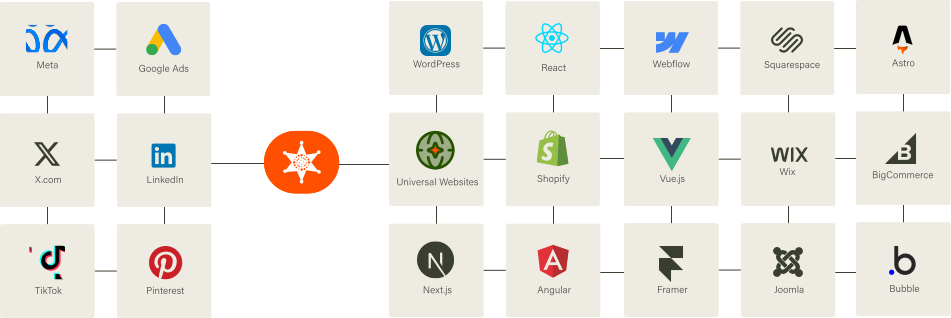
Our Script almost works flawlessly with any website framework to collect analytics data in a more accurate manner!
FAQ
Most fraud tools rely on IP blacklists and basic heuristics - effective against older bots, weak against modern ones that rotate IPs and mimic human behavior. DataCops uses device fingerprinting, interaction patterns (mouse, scroll, keystroke timing), and network signals (proxy, VPN, datacenter) scored in under 50 ms, then blocks or flags before conversion tracking fires.



